Scrubs buying guide for healthcare teams
Choosing scrubs for one person is about comfort. Choosing them for a team is also about consistency: everyone should look like they belong to the same practice, in fits that work for every body type. Here's what to decide.
Fabric: the biggest decision
| Fabric | Feel | Best for |
|---|---|---|
| Poly/cotton | Classic, crisp, breathable | Budget-conscious programs, industrial laundering |
| Poly/rayon/spandex | Soft, smooth, light stretch | Most clinics and hospitals; the current standard |
| Poly/spandex performance | Athletic, four-way stretch, quick dry | Fast-paced roles: ER, surgery, home health |
Stretch fabrics cost a little more but are what most staff ask for now. Moisture-wicking and stain-release finishes are worth having for clinical roles.
Fit and styles
- Offer men's and women's cuts. Unisex scrubs are simple to order but rarely fit women well.
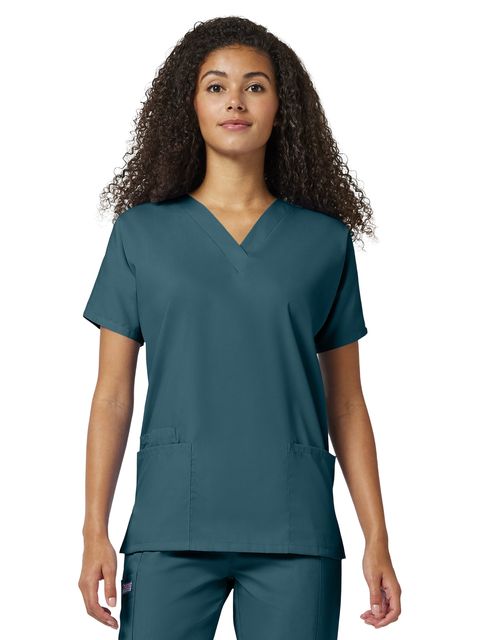
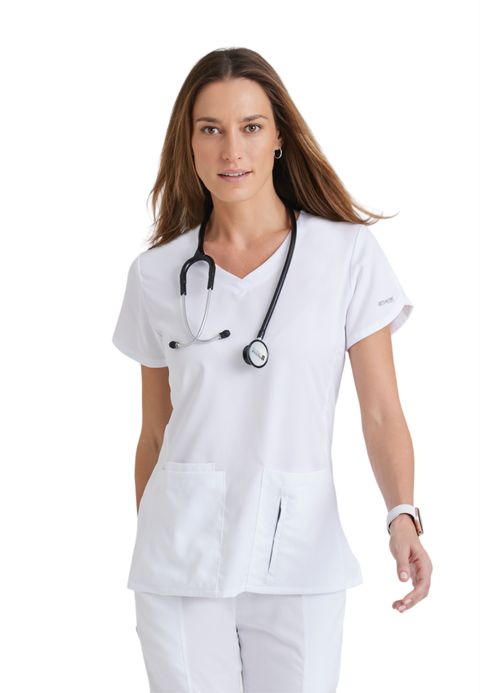
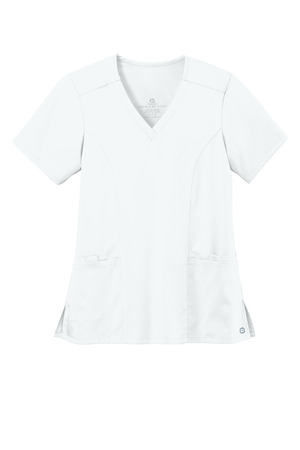
- Tops: V-neck tops with two to five pockets are the norm. More pockets suit nurses; fewer suit front desk staff.
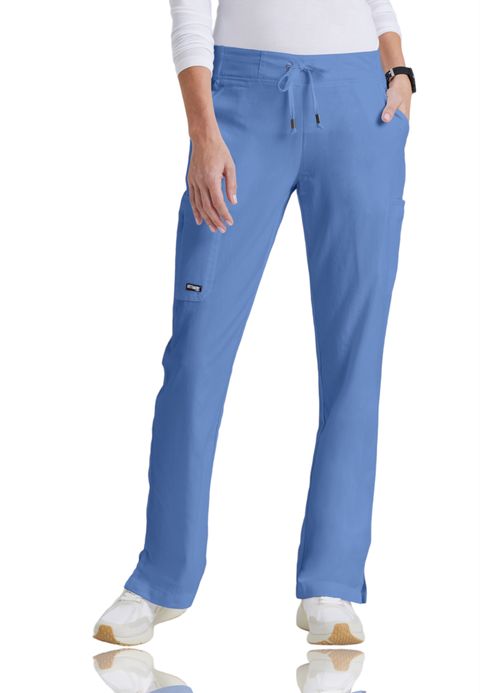
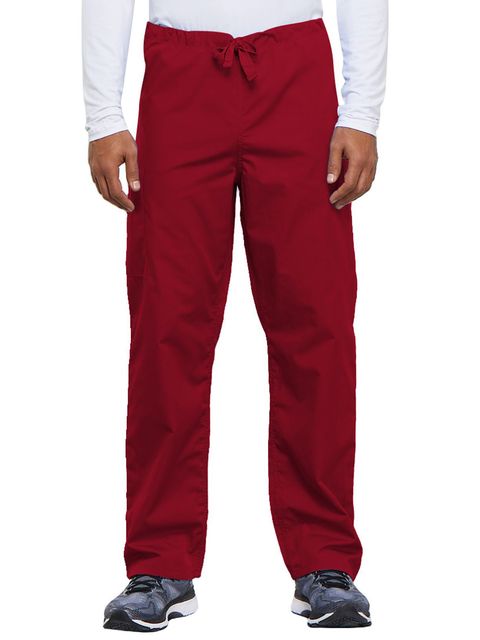
- Pants: straight leg, jogger and cargo styles. Offer petite and tall lengths if your brand has them.
- Sizes: healthcare teams span a wide size range, so pick styles that run from XS to at least 3XL.
Color coding by department or role
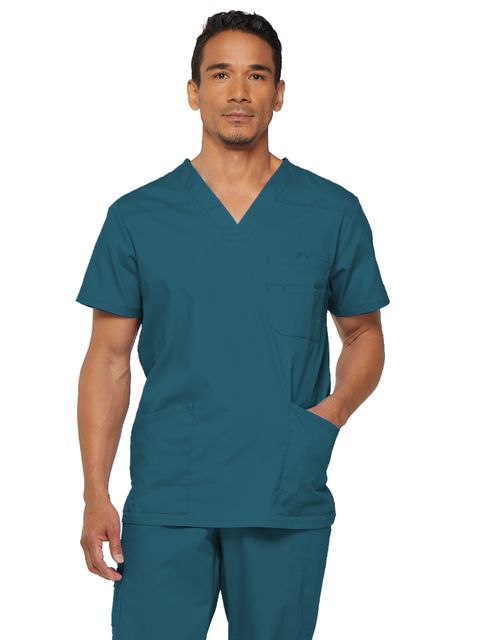
Many practices assign a color to each role so patients can tell who's who: for example, navy for nurses, ceil blue for medical assistants, black for front desk, gray for techs. A few tips:
- Pick colors every brand on your list carries, so you can switch styles later without breaking the system.
- Post a simple color chart in waiting rooms; patients appreciate it.
- Solid core colors like navy, royal, ceil, black, wine and pewter are the safest for long-term reorders.
Brands at a glance
- Cherokee: dependable classics with a wide color range; easy to standardize.
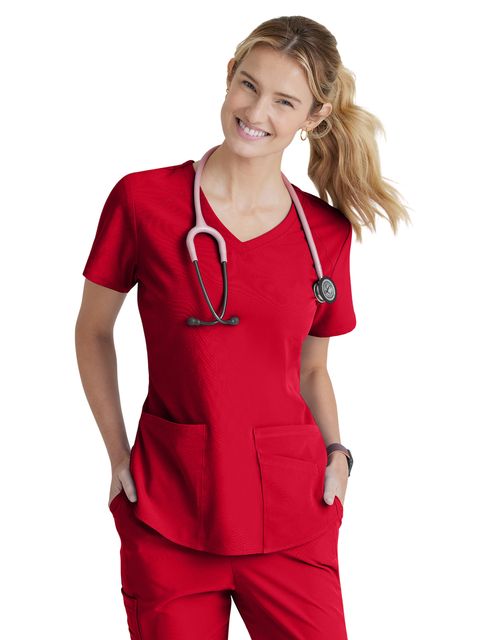
- Grey's Anatomy and Barco: very soft fabrics with a polished look.
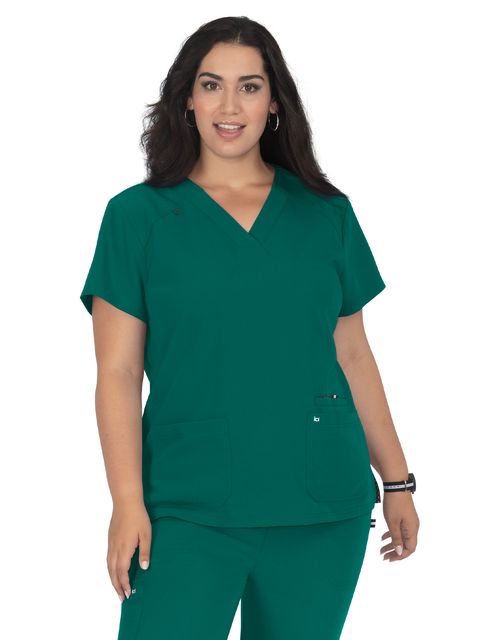
- koi: fashion-forward fits that staff often request.
- Wink: stretch styles in a broad size range.
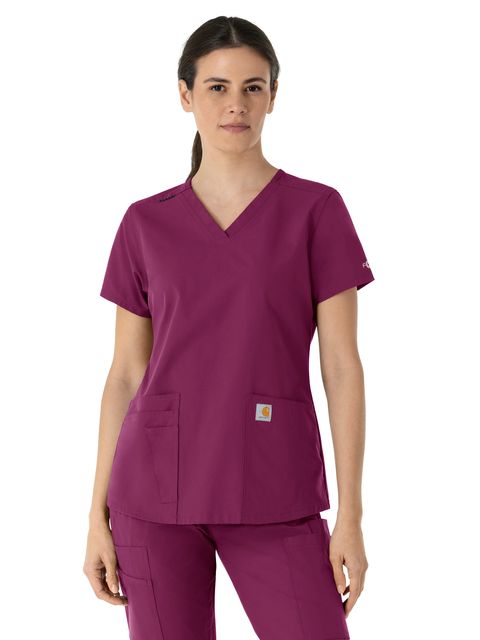
- Carhartt Scrubs and Dickies Medical: rugged, workwear-inspired, with extra utility pockets.
- Skechers: lightweight, athletic-feeling styles.
Lab coats and layering
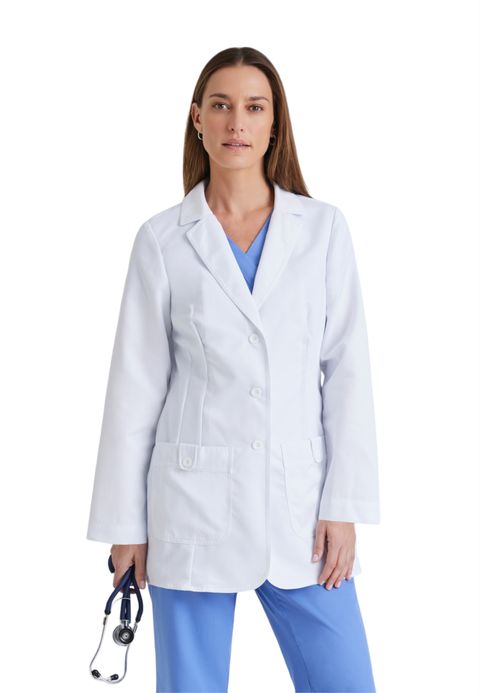
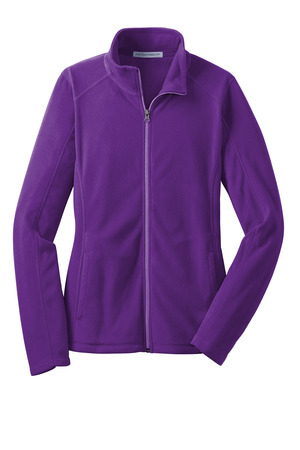
Lab coats come in lengths that signal role: around 28 to 32 inches for consultation coats and around 37 to 40 inches for physicians and labs. A warm-up jacket or microfleece gives staff a matching layer in cold clinics, so nobody wears a random hoodie over their scrubs.

Logos on scrubs
- Embroidery is the standard: it survives hot washes and looks professional.
- Placement: left chest is most common. Right sleeve placement keeps the chest free for badges and pens.
- Names and credentials (RN, PA-C) can be embroidered under the logo, which is popular on lab coats.
Ordering tips
- Run a size fitting before a large order. Our guide to collecting sizes shows how.
- Three to five sets per full-time employee is typical when staff launder their own.
- Pick core styles that stay in a brand's line for years, so new hires match.
- Browse our healthcare picks or every scrub style.