Hi-vis safety classes explained
High-visibility safety apparel in the US is defined by ANSI/ISEA 107. The standard sorts garments by type (where they're worn) and class (how much visibility they provide). Here's what it means in plain terms.
Types: where the garment will be worn
| Type | For | Examples |
|---|---|---|
| Type O (off-road) | Workers not exposed to public road traffic | Warehouses, parking lots, oil fields, mining |
| Type R (roadway) | Workers exposed to traffic on public roads or temporary work zones | Road crews, utility workers, flaggers, surveyors |
| Type P (public safety) | Emergency and law enforcement personnel | Police, fire, EMS at roadway incidents |
Classes: how much visibility
The class sets the minimum amount of fluorescent background material and reflective tape. More material means workers can be seen from farther away and from more angles.
| Class | Background material | Reflective tape | Typical garments |
|---|---|---|---|
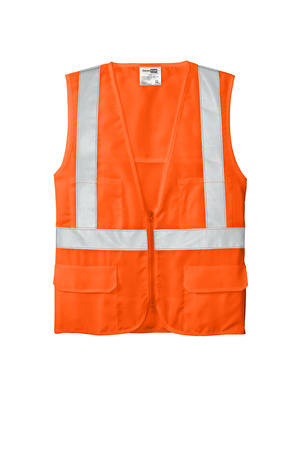
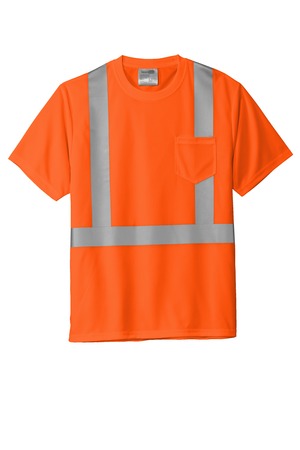
| Class 1 | 217 sq in | 155 sq in | Hi-vis tees and vests for low-risk, off-road work |
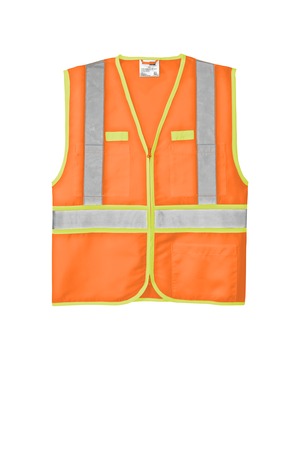
| Class 2 | 775 sq in | 201 sq in | Vests, tees and polos for roadway and work zone crews |
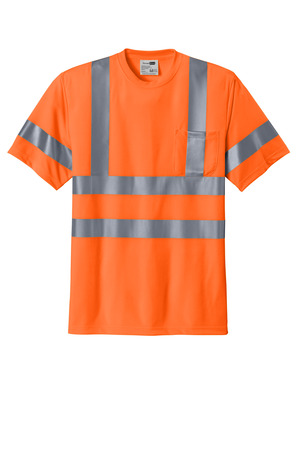
| Class 3 | 1,240 sq in | 310 sq in | Sleeved shirts, jackets and parkas for high-risk roadway work |
| Class E | Pants, shorts or bib overalls; not compliant alone | Worn with a Class 2 top, the combination counts as Class 3 | |
Class 3 garments must have sleeves with reflective tape, so a vest alone can never be Class 3.
Which class do I need?
- Class 1: off-road work where traffic is slow (generally under 25 mph) and workers are well separated from it, like parking attendants in a lot or warehouse staff around forklifts.
- Class 2: the minimum for workers on or near public roads. US federal rules require Class 2 or 3 garments for workers on federal-aid highways. Also common for event staff, parking crews and crossing guards.
- Class 3: recommended for high-speed roads (generally over 50 mph), nighttime and bad weather, and when workers' attention is on their task rather than traffic.
Your safety manager, site rules or client contract has the final say. When in doubt, go one class higher.

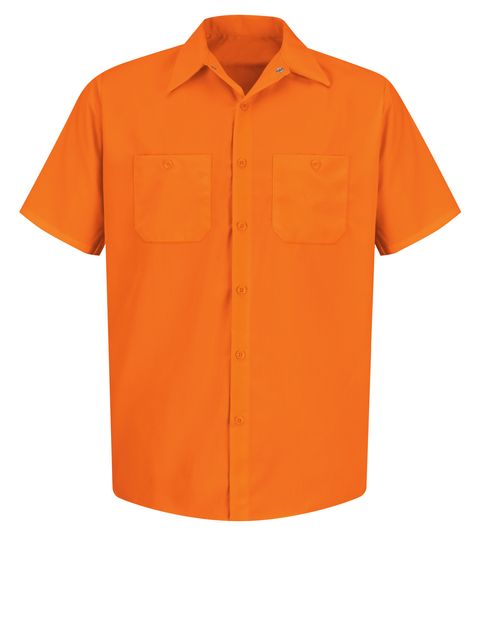
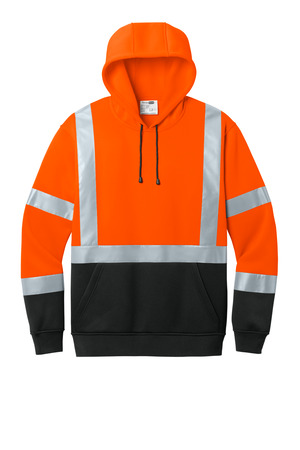
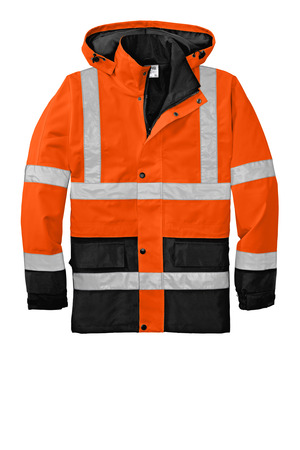
Colors
ANSI 107 allows three fluorescent background colors: yellow-green (the most visible in most daylight conditions), orange-red (stands out against green landscapes and snow) and red. Many sites pick one color for crews and another for supervisors or visitors.
Adding your logo to hi-vis
Decoration covers some of the background material, and too much can drop a garment below its class. To stay compliant:
- Keep logos small, usually a left chest logo or a modest back print.
- Never cover the reflective tape.
- Choose garments with a smooth panel made for printing (many vests have one).
- Reflective heat-transfer lettering, like "SECURITY" or a company name, is a good option for backs.
We size decoration to keep each garment within its rating. More on methods in the decoration guide.
Care and replacement
Fluorescent color fades and reflective tape wears with washing and sunlight. Follow the care label, avoid bleach and fabric softener, and replace garments that look faded, dirty or torn, or once the tape is cracked or peeling. A faded Class 2 vest may no longer perform like one.