EMS and first responder uniforms
EMS uniforms take more abuse than almost any other workwear: kneeling, lifting, weather, and washing after every shift. They also need to identify the crew at a glance. Here's how to put together a uniform program that works.
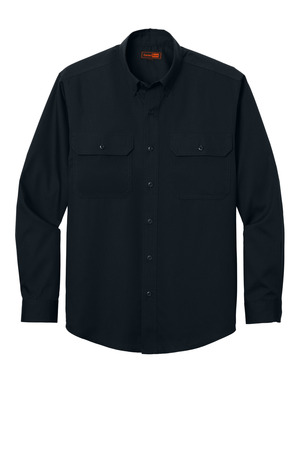
Tops: tactical polos and ripstop shirts
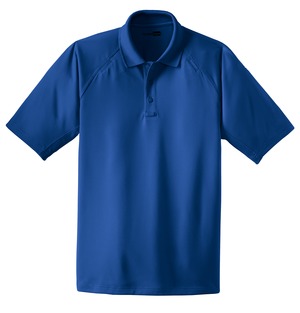
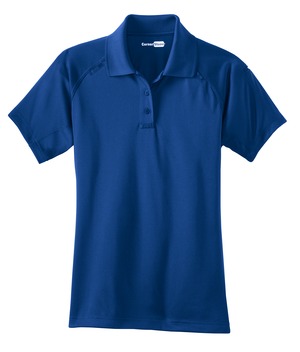
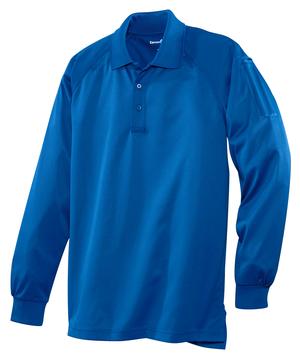
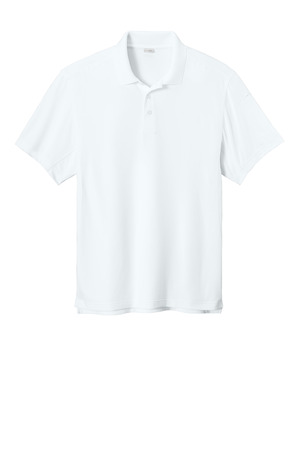
Most EMS agencies wear a tactical polo for daily calls and a button-front ripstop shirt for a more formal look. A good EMS top has:
- Snag-resistant or ripstop fabric that survives stretchers, vehicle doors and gear.
- A pen pocket on the sleeve and mic loops on the chest.
- Moisture-wicking fabric for long shifts and hot weather.
- Stain release, because body fluids and road grime come out more easily.
Pants built for kneeling and lifting
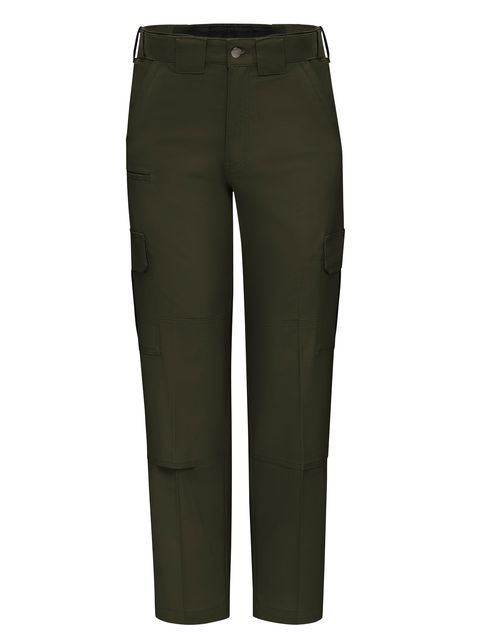
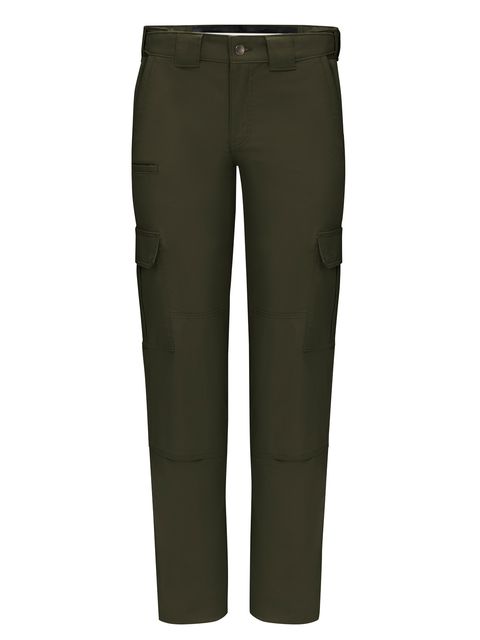
Tactical pants are the standard: ripstop fabric, cargo pockets for shears, gloves and a flashlight, and a waistband that flexes when crews kneel or lift. Look for a gusseted crotch or articulated knees, and order women's cuts for women on the crew.
Station wear for fire and combination departments
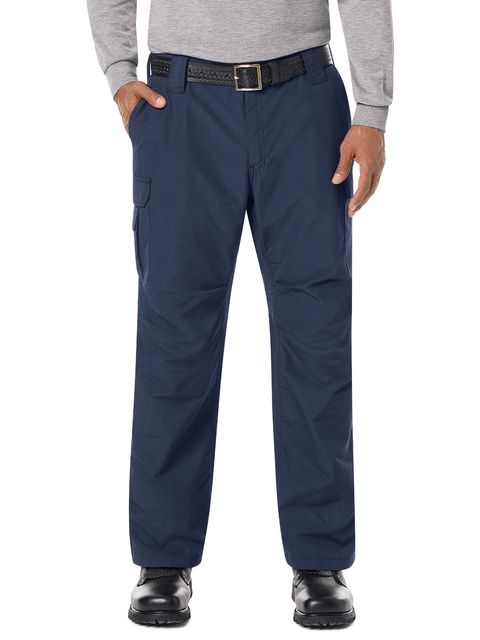
Firefighters and combination fire/EMS departments often need station uniforms certified to NFPA 1975, the standard for flame-resistant station and work uniforms. Station wear isn't turnout gear, but it won't melt or keep burning like ordinary polyester can if exposed to heat or flame.
For more on flame-resistant ratings, see our flame-resistant clothing guide.
Visibility on the roadside
Crews working highway incidents need high-visibility outerwear. Public safety garments (ANSI 107 Type P) are designed for first responders, and a Class 3 parka covers crews on the busiest roads in bad weather. A 3-in-1 parka with a removable liner works year-round.
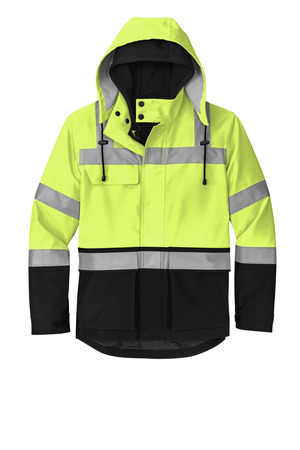
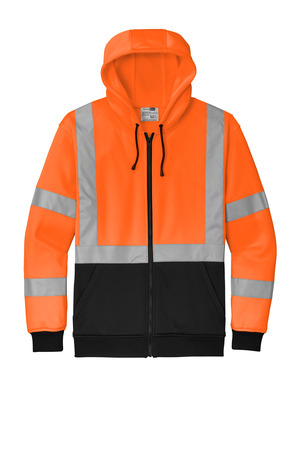
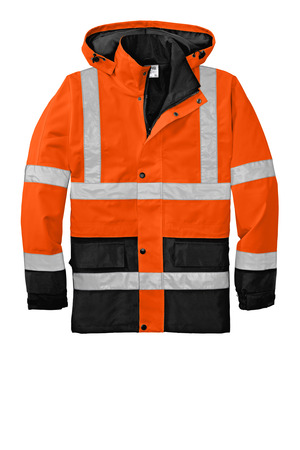
Our hi-vis guide explains the classes and types.
Incident command vests and gear
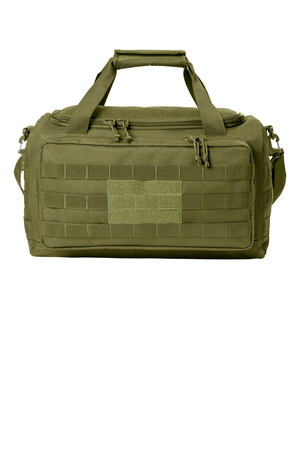
At a mass casualty incident or large scene, incident command vests identify roles at a glance: Command, Triage, Treatment, Transport, Safety. Vests come in role colors with clear-pocket or printed lettering. Patch-ready gear bags round out a crew's kit.

Agency patches and lettering
- Shoulder patches with the agency name and star of life are standard on both sleeves.
- Reflective "EMS" or agency lettering across jacket backs for night calls.
- Embroidered names, titles and certification levels (EMT, Paramedic) over the chest.
- Embroidered badges can replace metal badges on polos for a cleaner look.
See the decoration guide for how patches, embroidery and reflective transfers compare. Browse all of our first responder picks in First responders & EMS.